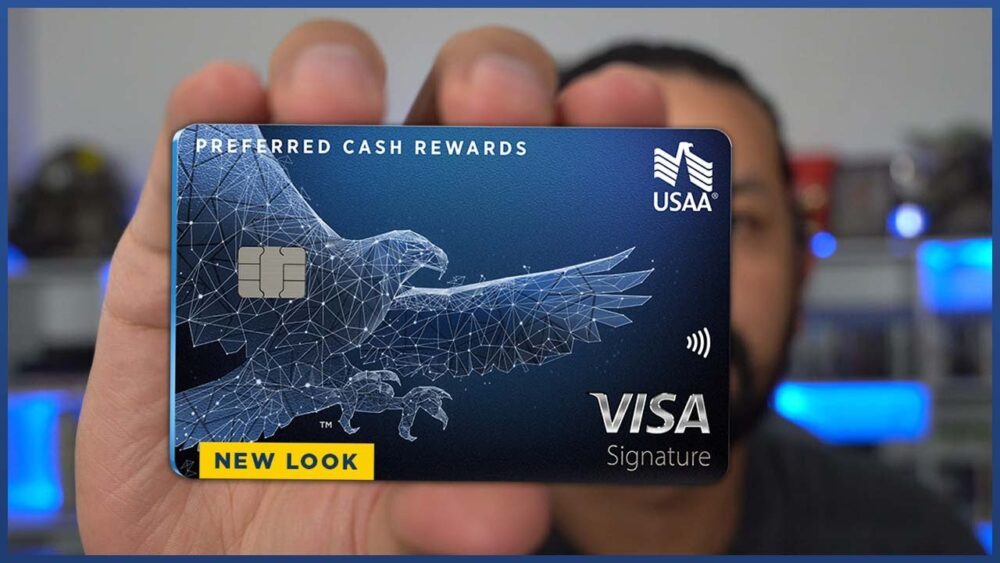
The impact of virtual cards on online shopping

Introduction to Virtual Cards
The landscape of payment methods has undergone a significant transformation with the advent of technology, particularly in the online shopping sector. Central to this evolution is the rise of virtual cards. These cards serve as a modern alternative to traditional credit and debit cards, effectively catering to the needs of a digital-savvy consumer base that demands both security and convenience.
Key Features of Virtual Cards
Virtual cards offer several compelling features that enhance the online shopping experience:
- Enhanced security: One of the primary advantages of using virtual cards is the enhanced security they provide. Each virtual card is assigned a unique number that is utilized exclusively for a single transaction or a set period. This minimizes the risks associated with card theft, unauthorized transactions, and data breaches, making it a safer option for online purchases.
- Budget management: Virtual cards allow users to set explicit spending limits, making it easier to manage finances. For instance, consumers can create a virtual card specifically for a single purchase or for recurring bills, ensuring they do not overspend and promoting better budgeting habits.
- Convenience: The ease with which virtual cards can be generated and used is another significant feature. Users can create a virtual card in minutes through their banking app or service provider. This makes it an ideal solution for spontaneous online shoppers who want to make quick purchases without delay.
Impact on Consumer Behavior
The influence of virtual cards extends deeply into consumer behavior. By increasing security, these cards empower individuals to explore new online retailers without fear. For example, a consumer might hesitate to purchase from a lesser-known website due to concerns about fraud. However, with a virtual card, they can conduct transactions with peace of mind, leading to a broader range of shopping options.
Benefits for Businesses
Businesses also benefit significantly from the adoption of virtual cards. These cards can streamline payment processes by reducing the likelihood of chargebacks, which can be costly and time-consuming to resolve. The transparency and accountability they provide not only enhance customer trust but also lead to increased customer satisfaction, as buyers appreciate the added security. Furthermore, in a competitive market, companies that offer flexible payment options, including virtual cards, can distinguish themselves from competitors.
In conclusion, the incorporation of virtual cards into the financial ecosystem marks a pivotal shift in online shopping. Their myriad advantages, from security enhancements to fiscal management tools, are reshaping consumer behavior and offering businesses valuable opportunities for growth. As the digital economy continues to expand, so too will the reliance on innovative payment solutions like virtual cards.
CHECK OUT: Click here to explore more
The Role of Virtual Cards in Online Shopping Dynamics
The introduction of virtual cards has profoundly changed the way consumers engage in online shopping. As digital transactions become increasingly dominant, the adoption of virtual cards reflects a growing demand for security, convenience, and control over spending. Here, we will explore how these cards are managing to reshape consumer experiences and the broader implications for the online retail landscape.
Shifting Paradigms in Payment Methods
Virtual cards have emerged as a significant player in the payment ecosystem, and their impact can be measured through various factors that contribute to altering shopping habits:
- Security as a Priority: With the increasing frequency of online data breaches and identity theft cases, consumers are prioritizing security more than ever. Virtual cards inherently increase security by providing users with temporary card numbers, which limits the exposure of their primary account information. This heightened level of security not only reduces the risk of fraud but also allows consumers to shop at less familiar online retailers, thus broadening their choices.
- Consumer Confidence: The trust factor plays a crucial role in online shopping. Virtual cards bolster consumer confidence as they provide a sense of protection against unauthorized transactions. As more shoppers become aware of these benefits, they are likely to engage in more frequent online purchases, significantly contributing to overall e-commerce growth.
- Increased Adoption of Subscription Services: The ease of setting spending limits with virtual cards encourages consumers to experiment with subscription services without the concern of overstepping their budget. Shoppers can create a virtual card for specific recurring payments, helping them keep track of expenses while effortlessly managing subscriptions like streaming services or monthly deliveries.
Changing Online Shopping Behavior
The trend towards virtual cards has not only impacted security but has also instigated a change in how consumers perceive and participate in online shopping. The practical features of virtual cards lead to more impulsive purchasing behaviors, as the transactional friction associated with inputting card information is reduced significantly. This results in an uptick in conversion rates for retailers, allowing businesses to capitalize on spontaneous purchases that may have otherwise been delayed or abandoned.
Moreover, with the increase in e-commerce and the advent of mobile shopping applications, consumers are also inclined to seek payment options that align seamlessly with their digital lifestyle. As virtual cards can be generated in an instant via mobile banking apps, they align perfectly with the expectations of today’s fast-paced consumers, who value immediacy and ease of use.
The shift towards virtual cards represents more than just an adaptation of payment methods; it signifies a transformation in the consumer mindset regarding online shopping. With security, control, and convenience at the forefront, virtual cards are not merely supplements to traditional payment methods but are quickly becoming a preferred choice for many online shoppers. As the market continues to evolve, understanding the implications of this shift will be vital for both consumers and businesses aiming to navigate the complexities of the digital shopping environment effectively.
SEE ALSO: Click here to read another article
Enhancing User Experience and Engagement
As virtual cards continue to gain traction among consumers, they are also reshaping user experiences in a number of key ways. The integration of these digital financial tools is contributing to increased user engagement and improving overall satisfaction in the online shopping arena.
Diversification of Payment Options
The versatility of virtual cards in accommodating different payment preferences is another significant boon for both consumers and retailers. With many virtual card providers offering options that integrate seamlessly with e-wallets or digital payment platforms, consumers can choose how they want to make each purchase. This flexibility not only enhances the overall shopping experience but also increases the chances of cart completion by minimizing the abandonment rates. According to recent studies, the ability to pay through diverse channels can lead to a 62% increase in conversion rates when compared to conventional payment methods.
Facilitating Cost Management
One of the primary advantages of virtual cards is their ability to aid consumers in managing their finances more effectively. Shoppers can assign specific spending limits to different virtual cards, enabling them to create budgets for various categories of spending such as entertainment, groceries, or clothing. This real-time budgeting capability promotes responsible financial habits by helping consumers monitor their spending behavior without the need for complex tracking systems. In fact, a survey conducted by a leading financial consultancy found that nearly 70% of users reported feeling more in control of their finances since utilizing virtual cards.
Impact on Retailer Marketing Strategies
Virtual cards are also influencing how retailers design their marketing and promotional strategies. With the increased use of user-generated data resulting from virtual card transactions, retailers can leverage insights to tailor their offerings and enhance targeted marketing efforts. By analyzing purchase patterns and consumer preferences, e-commerce businesses can formulate more effective promotions and personalize their advertising campaigns. This data-driven approach not only increases the relevance of promotions but also fosters a stronger relationship between the consumer and the brand.
Moreover, the rapid shift towards digital-first approaches in retail means that businesses must also adapt their customer engagement strategies. Retailers are now incentivizing the use of virtual cards by offering exclusive discounts or rewards for consumers who choose this method of payment. According to industry reports, promotions tied to virtual card purchases have shown to boost sales by as much as 25%, underscoring the financial benefits of adapting to this new consumer trend.
Consumer Education and Adoption Challenges
While the advantages of virtual cards are manifold, there are also challenges that need to be addressed to ensure widespread adoption. Many consumers remain unaware of how virtual cards work or the benefits they offer. Financial literacy programs that specifically address digital payments can improve understanding and adoption rates among various demographics, particularly among older populations who may be less familiar with technology. Studies indicate that over 40% of potential users are hesitant due to a lack of information, emphasizing the need for more educational initiatives by both financial institutions and retailers.
Addressing these information gaps will be pivotal in facilitating a smoother transition to virtual cards as a mainstream payment method, ultimately enhancing their impact on online shopping. In conclusion, the functionality of virtual cards manifests not only in heightened security and convenience but also in the evolution of consumer behavior, financial management, and marketing practices. As both consumers and retailers navigate these changes, the continuous integration of virtual card solutions will pave the way for future innovations in e-commerce.
SEE ALSO: Click here to read another article
Conclusion
In summary, the impact of virtual cards on online shopping is profound and multi-faceted, serving as a catalyst for significant changes across the digital commerce landscape. The adoption of virtual cards not only enhances transactional security and convenience but also fosters improved financial management among consumers through capabilities such as budget tracking and spending limits. Moreover, the diversification of payment options associated with virtual cards has been shown to lower cart abandonment rates and significantly bolster conversion rates, driving increased sales for retailers.
Retailers, on the other hand, are uniquely positioned to leverage the rich data generated from virtual card transactions, allowing for more personalized marketing strategies that resonate with consumer needs and behaviors. As businesses continue to embrace data-driven approaches, the resulting customized promotional efforts can lead to deeper customer loyalty and engagement.
However, as the landscape evolves, the necessity for comprehensive consumer education becomes apparent. Bridging the information gap will ensure that more individuals understand and embrace virtual cards, promoting wider adoption. Financial institutions and retailers have a vital role in disseminating knowledge that empowers consumers, particularly among those less familiar with digital technologies.
Ultimately, as virtual cards move toward becoming a mainstream payment method, their influence on online shopping will likely expand further, paving the way for future innovations that enhance both consumer experience and merchant profitability in the ever-changing e-commerce environment.