The future of credit cards: biometrics and advanced security
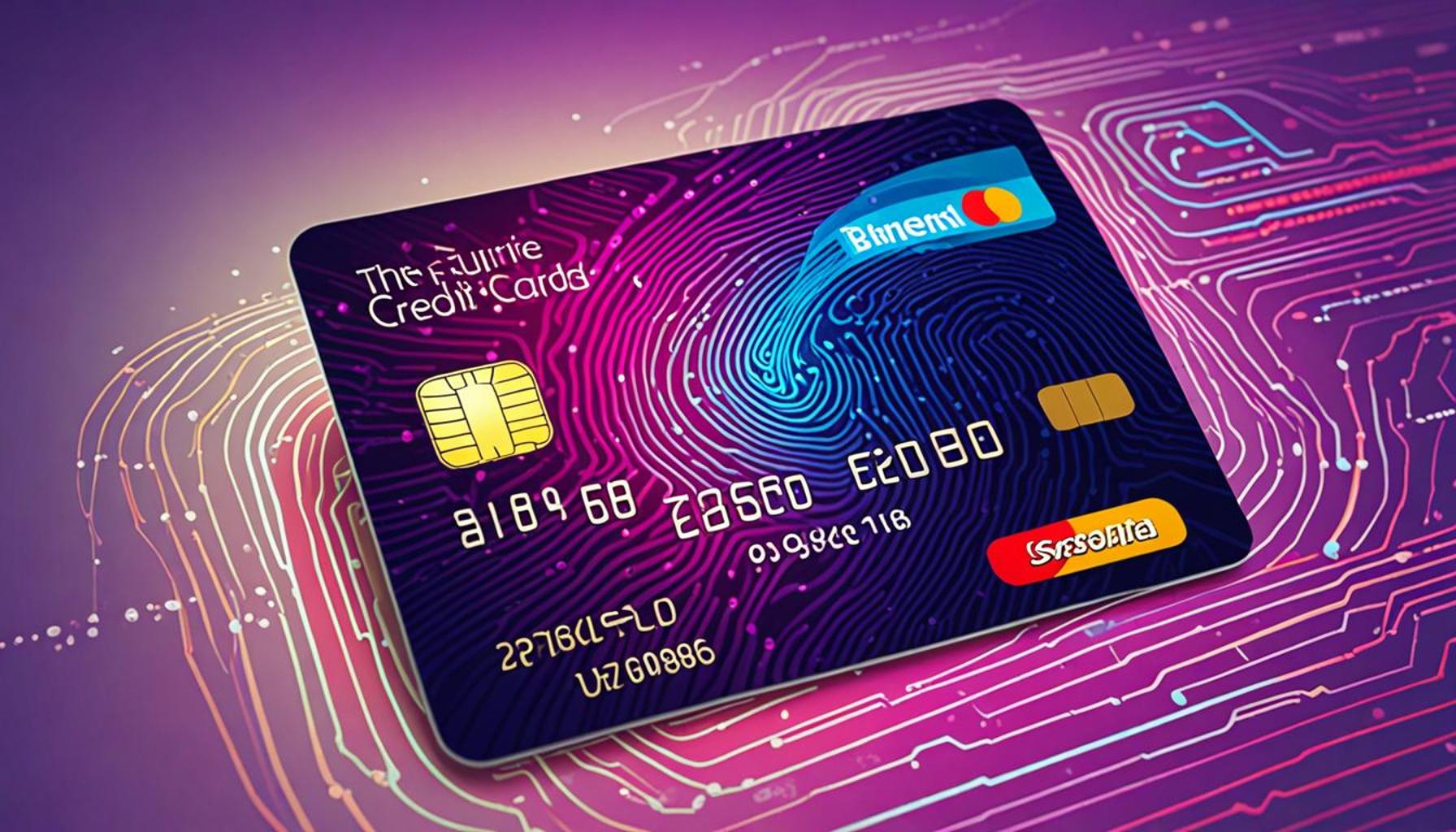
Evolving Credit Card Security
The payments landscape is experiencing a significant transformation as technological innovations and heightened security measures reshape consumer interactions with credit cards. The shift towards enhanced security technologies is a response to both the increasing frequency of credit card fraud and the evolving expectations of consumers regarding digital payment safety. Financial institutions are adopting a multi-faceted approach to address these challenges, focusing on both user experience and the integrity of financial systems.
Biometric Authentication
Biometric authentication is at the forefront of this revolution. By leveraging unique biological traits such as fingerprints, facial recognition, and iris scans, credit card companies aim to replace traditional methods of authentication, such as PINs and signatures, which are often vulnerable to theft or fraud. For example, many smartphones and smart devices now incorporate fingerprint scanners, making it possible to authorize transactions seamlessly and securely through the touch of a finger. This technique not only streamlines the payment process but also significantly reduces the risk of unauthorized access to personal financial information.
Advanced Encryption
Alongside biometric verification, advanced encryption plays a critical role in safeguarding sensitive financial data. Financial institutions are employing sophisticated encryption algorithms to secure transactions, ensuring that data transmitted during payment processes remains confidential and tamper-proof. For instance, technologies such as EMV (Europay, MasterCard, and Visa) standards, which use chip-enabled cards, generate unique transaction codes for each payment, further mitigating the risk of data breaches. Such measures are imperative in a country like the United States, where credit card fraud statistics highlight the necessity for top-tier security practices.
Artificial Intelligence
The integration of artificial intelligence into credit card security systems represents another leap forward. Machine learning algorithms can analyze transaction patterns and identify anomalies indicative of fraud in real-time. For example, if a credit card transaction occurs in a location that deviates significantly from the cardholder’s usual spending habits, the system can flag this as suspicious and prompt an immediate verification step. This proactive approach to fraud detection not only enhances security but also fosters confidence among consumers, reinforcing their trust in digital payment solutions.
Conclusion
As the financial landscape continues to evolve, the implications of these innovations can hardly be overstated. The adoption of biometric authentication, advanced encryption, and AI-driven fraud detection is not merely a trend; it represents a fundamental shift in how consumers and businesses engage with credit cards. In the face of rising fraud incidents, especially in the United States, the need for these advanced security technologies is urgent and reflects a broader commitment to protecting consumer interests in an increasingly digital world. As we look to the future, understanding and adapting to these changes will be essential for both consumers and the financial institutions that serve them.
CHECK OUT: Click here to explore more
Innovative Technologies Enhancing Security Measures
As credit card fraud continues to pose a substantial threat, the integration of new technologies has become paramount in safeguarding consumer financial data. Today’s financial institutions are not only reliant on traditional security measures, which have shown limitations, but are increasingly turning to advanced technological solutions. By enhancing both consumer trust and transaction security, these innovations aim to reshape the credit card landscape significantly.
The Role of Tokenization
Tokenization is one of the pivotal advancements in credit card security. This process replaces sensitive card information, such as credit card numbers, with a non-sensitive equivalent known as a token. This token can be used for transactions but cannot be reversed to reveal the original data. For instance, if a retailer’s database is compromised, the exposed tokens would present no value to cybercriminals since they cannot be converted back to the actual card information. Numerous companies, including major payment processors, are investing heavily in tokenization solutions to further bolster payment security. Some key benefits include:
- Reducing data breach impact: Even if data is stolen, the compromised information cannot be exploited.
- Streamlining the payment process: Tokens can simplify how payments are processed, ensuring faster and more secure transactions.
- Enhancing customer confidence: Consumers are more likely to engage with businesses that prioritize their security.
Contactless Payment and Security
The rise of contactless payment methods has transformed the way consumers interact with credit cards. Through Near Field Communication (NFC) technology, credit cards can transmit data wirelessly when brought within close proximity of a reader. While this convenience is appealing, it also raises legitimate concerns regarding security. To counter any potential risks, financial institutions are adopting advanced protocols, including dynamic data authentication, which integrates a unique code for each transaction, making it virtually impossible for thieves to replicate. This evolution in payment technology is particularly important in the fast-paced retail environments prevalent in the United States.
Enhanced User Education and Awareness
Beyond technological advancements, there is a pressing need for enhanced user education regarding credit card security. Consumers must remain informed about the various methods to protect their accounts, such as recognizing phishing scams, regularly monitoring account statements, and utilizing security features offered by credit card companies. Financial institutions have an important role in facilitating this awareness by providing accessible resources and support. Some critical educational initiatives include:
- Workshops and webinars: Offering sessions focused on safe online shopping and fraud prevention tips.
- Regular updates and alerts: Informing customers about new security features and potential threats.
- Dedicated customer support: Ensuring representatives are trained to address security-related inquiries effectively.
In summary, banks and credit card processors are leveraging technologies like tokenization and contactless payment systems alongside enhanced consumer education to mitigate fraud risks. Together, these initiatives create a more secure environment for credit card users, which is crucial as we move toward a future where digital transactions are increasingly commonplace.
SEE ALSO: Click here to read another article
Biometric Innovations Shaping Credit Card Transactions
In recent years, biometric authentication has emerged as a formidable tool in enhancing the security of credit card transactions. By leveraging unique physiological or behavioral characteristics, biometric technology offers a level of identity verification that traditional methods—such as passwords or PINs—cannot match. This makes it particularly appealing in the context of increasing cyber threats. Biometrics have the potential to not only enhance security but also streamline the user experience, reducing the friction often associated with transaction verification.
Fingerprint and Facial Recognition Technologies
Fingerprint scanning technology is increasingly being integrated into credit cards, allowing users to authenticate payments with their unique fingerprints. This method drastically reduces the chances of fraud, as fingerprints are nearly impossible to replicate. For instance, major financial institutions are already testing fingerprint-enabled credit cards that authenticate using a small, built-in scanner. Another robust option is facial recognition, which leverages advanced algorithms to verify the identity of the user. While primarily used in mobile payment applications today, it is expected that these technologies will soon become standard features in physical credit cards, offering a seamless payment process for users while providing a high level of security.
Behavioral Biometrics as an Emerging Trend
Beyond the traditional forms of biometric authentication, the concept of behavioral biometrics is gaining traction. This innovative approach analyzes behavioral patterns, such as typing speed, mouse movements, and even how a user interacts with their device. By establishing a digital profile based on these behaviors, financial institutions can detect anomalies that may indicate fraudulent activity. For example, if a user typically logs into their account from a specific geographical location and suddenly attempts to access it from a different area, the system can trigger additional security measures. This proactive approach to fraud detection not only enhances security but also minimizes the risk of account takeovers.
The Integration of Artificial Intelligence (AI)
The incorporation of artificial intelligence into security protocols is reshaping how credit card transactions are verified. AI algorithms can analyze vast amounts of data to identify patterns and flag suspicious transactions in real time, allowing for quicker responses to potential fraud. In a system where both credit card companies and merchants utilize AI, phased-out synthetic identity fraud becomes more achievable. For example, if a credit card transaction is initiated that significantly deviates from the user’s historical spending behavior, the AI can alert the user or automatically decline the transaction until further verification occurs. This not only protects consumers but also reduces financial liabilities for banks.
Moreover, the integration of AI in authentication processes, combined with biometric measures, enhances user convenience. For example, some banks are exploring AI-powered personal assistants that can authenticate payments just by recognizing a user’s voice—a method that could soon become commonplace in banking.
As we look to the horizon, the fusion of biometrics, behavioral analysis, and AI stands to redefine the security matrix surrounding credit cards. These advancements aim not only to enhance security but also to build a more consumer-friendly environment where safety breaches are increasingly rare. Therefore, it is crucial for stakeholders in the financial domain, including banks, technology providers, and consumers, to be aware of and adapt to these evolving technologies in a proactive manner.
SEE ALSO: Click here to read another article
Conclusion: Embracing the Future of Credit Card Security
The landscape of credit card security is undergoing a transformative shift, driven primarily by the incorporation of biometric technology and advanced security measures. As the threats posed by cybercrime evolve, traditional methods of authentication—such as passwords and PINs—are proving inadequate to safeguard sensitive financial information. The implementation of biometric innovations, including fingerprint and facial recognition, provides a robust layer of security that can greatly reduce instances of fraud. Furthermore, the emerging field of behavioral biometrics enhances fraud detection capabilities by analyzing users’ unique interaction patterns with their devices.
The integration of artificial intelligence into these security protocols not only bolsters fraud prevention but also streamlines the payment process, creating a more user-friendly experience. AI’s ability to analyze transaction behaviors in real time ensures that suspicious activities are promptly flagged, facilitating quicker intervention. As financial institutions continue to innovate, it is essential for all stakeholders—including banks, merchants, and consumers—to adapt to these advancements proactively.
Looking ahead, the credit card industry is poised for a future where security and convenience coexist harmoniously. The evolution of payment systems demands a collective effort to embrace these technologies while remaining vigilant against potential threats. By prioritizing biometrics and AI-driven security measures, we can build a safe, reliable, and efficient payment ecosystem that instills confidence in consumers and fosters innovation across the financial landscape.