How to avoid credit card scams and frauds
Understanding Credit Card Scams
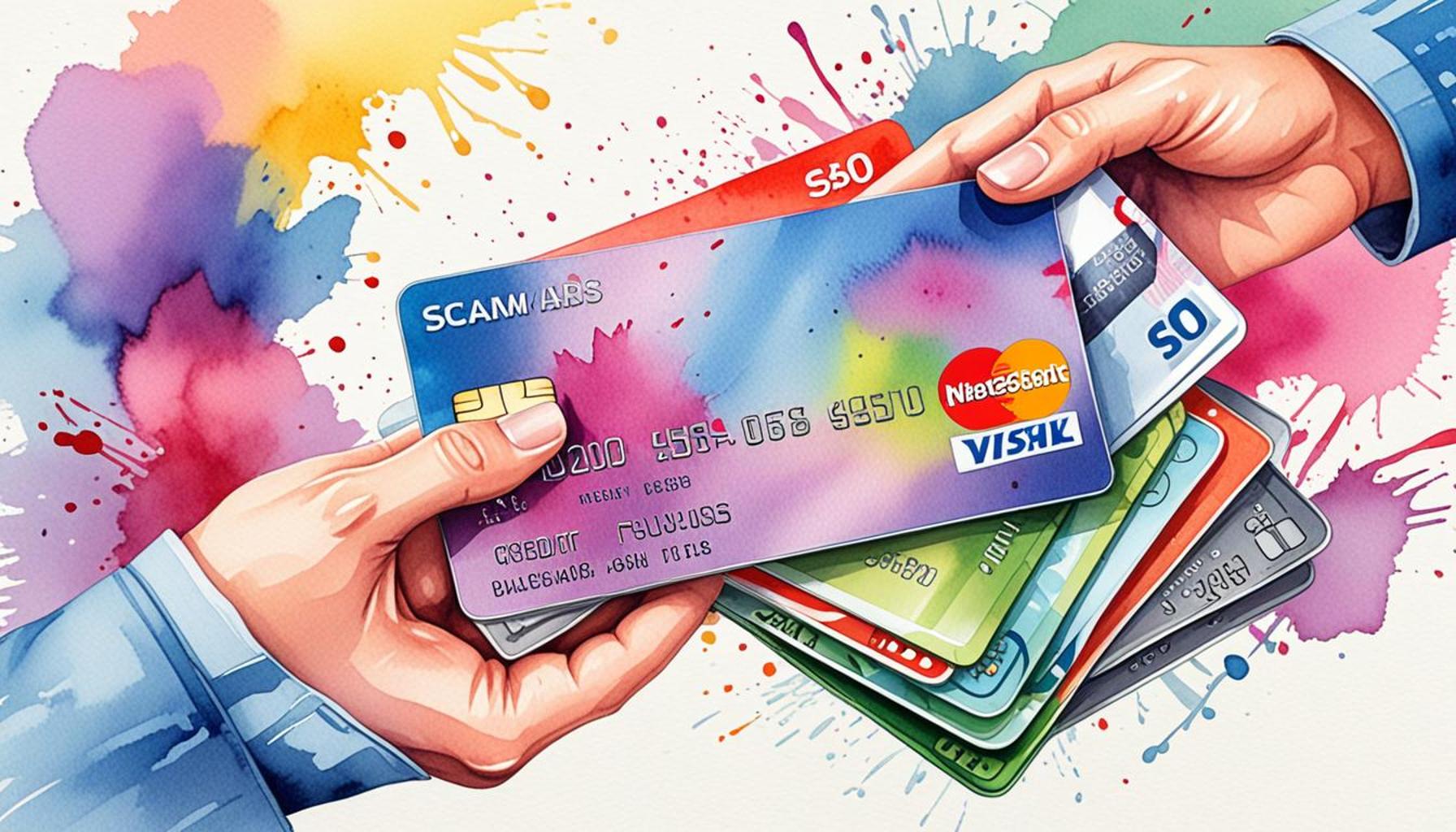
Credit card scams present a significant threat to consumers in the contemporary digital marketplace. As digital transactions have soared, so too have the opportunities for fraudsters to exploit vulnerabilities in payment systems. The reliance on electronic payments has created an environment where safeguarding your financial information is not just recommended; it is essential for preserving your peace of mind and financial well-being.
Common Types of Credit Card Scams
Several sophisticated scams target unwitting credit card users, and familiarity with these tactics can dramatically mitigate your risk of falling victim:
- Phishing Scams: These scams often come in the form of fraudulent emails or messages that convincingly mimic legitimate businesses. For example, a scammer might send an email appearing to be from your bank, prompting you to verify your account information through a link that leads to a fake website. These communications commonly employ alarming language, urging immediate action, which can easily manipulate individuals into revealing sensitive personal information.
- Card-Not-Present Fraud: This type of fraud occurs when an unauthorized individual makes online purchases using stolen credit card information without the physical card in hand. With the increase in ecommerce, this form of fraud has surged. For instance, data breaches at major retailers can leave millions of credit card numbers exposed, enabling criminals to make online transactions at various platforms.
- Skimming: Skimming devices are illegal gadgets covertly attached to ATMs, gas station pumps, or point-of-sale systems. These devices capture the data from your credit card’s magnetic stripe as you swipe it during a transaction. It is particularly common in high-traffic locations. A recent report revealed that nearly $1 billion was lost to ATM skimming in 2021, illustrating the scale of this issue.
Signs of Fraudulent Activity
Early detection is critical in preventing significant financial losses. Being able to recognize the warning signs of fraud can greatly aid in this endeavor. Key indicators to be aware of include:
- Unfamiliar Transactions: Regularly reviewing your bank statements can help you identify charges that are unfamiliar. If you spot any transactions you do not recognize, it is crucial to contact your credit card issuer immediately.
- Declined Transactions: If your legitimate purchases from a trusted retailer are unexpectedly declined, it may be a symptom of fraud. This can happen if fraud alerts are triggered due to suspicious spending patterns or if your account has already been compromised.
- Sudden Changes in Your Credit Score: An abrupt decline in your credit score may indicate fraudulent activity on your account. Regularly monitoring your credit report can help you stay informed about any unusual changes and allows you to act swiftly to protect your finances.
By remaining vigilant and informed about these scams and their warning signs, you can significantly decrease your vulnerability to credit card fraud. This article aims to provide actionable strategies to safeguard your financial assets and ensure your transactional safety in today’s digital landscape.
SEE ALSO: Click here to read another article
Proactive Measures to Safeguard Against Credit Card Scams
Understanding and recognizing the various types of credit card scams is only the first step. To enhance your security, it is essential to implement proactive measures that can help shield you from potential fraudulent activities. Below, we outline several effective strategies to minimize your exposure to credit card scams.
Secure Your Personal Information
The first line of defense against credit card fraud is securing your personal information. Here are several key practices to incorporate:
- Utilize Strong Passwords: Create complex passwords for your online banking and shopping accounts. A strong password typically contains a combination of upper and lower case letters, numbers, and special characters. Additionally, avoid using easily accessible information, such as birthdays or names of family members, as these can be easily guessed.
- Enable Two-Factor Authentication: Whenever possible, enable two-factor authentication (2FA) for your accounts. This feature requires a second verification step in addition to your password, making it significantly more difficult for fraudsters to gain unauthorized access to your accounts.
- Limit Information Sharing: Be cautious about the amount of personal information you share online. Social media platforms can be a goldmine for scammers looking to gather details that facilitate identity theft. Adjust privacy settings to limit public access to your information.
Be Cautious with Your Transactions
Another crucial aspect of avoiding credit card scams lies in how you conduct your transactions. Adopting more secure practices can greatly reduce your risk:
- Use Secure Connections: Always ensure that the websites you are visiting are secure, especially when entering sensitive information. Look for “https://” in the URL and a padlock icon in the address bar, indicating that the site employs encryption to protect your data.
- Regularly Monitor Your Accounts: Make it a habit to frequently check your bank and credit card statements for any unfamiliar transactions. Early detection is vital, as most credit card companies provide zero liability for fraudulent charges if reported in a timely manner.
- Limit Card Usage in Public: Avoid using your credit card in public settings, especially on unverified Wi-Fi networks. Consider alternatives such as mobile payments, which may offer enhanced security features.
Implementing these measures can significantly reduce your vulnerability to credit card scams and frauds. A combination of responsible personal information management and vigilant transaction habits builds a robust defense against potential fraudsters. Awareness and preparedness are essential components of this ongoing battle against financial threats.
SEE ALSO: Click here to read another article
Utilizing Technology and Resources for Enhanced Security
In addition to personal security measures, leveraging technology and various resources can further strengthen your defense against credit card scams and frauds. As technology continues to evolve, so too do the strategies deployed by fraudsters. Therefore, it is essential to stay informed and utilize the tools available to protect your financial well-being.
Stay Informed About Scams
Being aware of current scams and trends in credit card fraud is imperative to safeguarding your financial information:
- Subscribe to Alerts and Updates: Sign up for newsletters or alerts from your credit card issuers and financial institutions. These organizations often provide timely information regarding emerging scams and security threats relevant to their customers.
- Utilize Fraud Detection Tools: Many banks and credit card companies offer fraud detection tools that analyze your spending patterns. If a transaction appears suspicious, the system can alert you promptly. Enroll in these services, as they enhance your ability to detect unauthorized use swiftly.
- Follow Official Resources: Regularly consult reliable sources, such as the Federal Trade Commission (FTC) and the Consumer Financial Protection Bureau (CFPB). These agencies provide comprehensive information about identity theft and the latest fraud schemes, enabling you to keep your knowledge current.
Opt for Enhanced Payment Options
Taking advantage of enhanced payment methods available today can provide an additional layer of protection against credit card fraud:
- Use Virtual Credit Cards: Many financial institutions now offer virtual credit card numbers that you can use for online transactions. These unique, temporary card numbers can help protect your actual credit card information from potential compromise during online purchases.
- Consider Mobile Wallets: Applications such as Apple Pay, Google Pay, and Samsung Pay incorporate advanced encryption and tokenization technologies that offer greater security than traditional credit cards. By using mobile wallets for transactions, you mitigate the risk of exposing your credit card information directly to merchants.
- Enable Transaction Alerts: Most credit card providers give customers the option to set up transaction alerts via SMS or email. These notifications enable you to monitor transactions in real-time, allowing for quick reporting of any suspicious activity.
Understand Your Rights
Familiarizing yourself with your rights as a consumer is critical in minimizing the impact of credit card fraud:
- Know the Fair Credit Billing Act (FCBA): Under the FCBA, consumers are protected against fraudulent charges. If you report a lost or stolen credit card promptly, you are generally liable for only $50 of any unauthorized transaction, with most issuers waiving this liability entirely.
- Monitor Your Credit Reports: Federal law allows you to request one free credit report every year from each of the major credit bureaus: Equifax, Experian, and TransUnion. Regularly reviewing your credit report can help identify any unauthorized accounts or discrepancies, enabling you to take action swiftly.
- Utilize Identity Theft Protection Services: Consider investing in identity theft protection services that monitor your personal information across various platforms. These services can alert you to potential identity theft activities and provide additional resources for remediation.
Employing a combination of these technological enhancements and staying informed about rights and protections can significantly bolster your defenses against credit card scams and frauds. As the landscape of fraud evolves, developing a proactive and responsive strategy is essential for maintaining your financial security.
SEE ALSO: Click here to read another article
Conclusion
In a rapidly evolving financial landscape, avoiding credit card scams and frauds requires an informed and proactive approach. The increase in digital transactions has given rise to more sophisticated scams, making it imperative for consumers to stay vigilant. By implementing personal security measures and leveraging technology, consumers can create a formidable defense against potential threats to their financial wellbeing. For instance, utilizing two-factor authentication when accessing online banking accounts adds an extra layer of security that can deter unauthorized access.
Additionally, regularly monitoring account activity and utilizing fraud detection tools provided by financial institutions are vital steps in maintaining vigilance over your transactions. Many banks offer real-time transaction alerts, which can help identify unauthorized charges as they occur. Such immediate notifications allow for quick responses, such as reporting the fraud to the bank and freezing the card to prevent further loss.
Moreover, embracing enhanced payment options, such as virtual credit cards and mobile wallets, allows individuals to limit exposure to their sensitive information. Virtual credit cards generate temporary card numbers for online purchases, ensuring that your actual card number remains protected. Similarly, mobile wallets use tokenization, which encrypts your payment information, offering an additional layer of security during transactions.
Staying informed about the latest scams is equally important. Utilizing educational resources provided by consumer protection agencies can help you recognize common schemes, such as phishing attacks that aim to steal your personal information via email or fraudulent websites. Understanding your rights under regulations like the Fair Credit Billing Act also equips you with the necessary knowledge to act decisively when suspicious activity arises. This federal law allows consumers to dispute charges for unauthorized transactions within 60 days of receiving the billing statement, providing a legal framework to protect your finances.
Furthermore, recognizing the importance of monitoring your credit reports and potentially investing in identity theft protection can significantly enhance your financial security. Regularly reviewing your credit reports can help you identify inaccuracies or unfamiliar accounts that may indicate fraudulent activity. Identity theft protection services often provide alerts for suspicious behavior and assistance in resolving identity theft cases, ensuring that you remain proactive in guarding your financial identity.
Ultimately, while credit card fraud and scams can pose significant threats, the collective use of technology, awareness, and consumer rights ensures that individuals are not left vulnerable. By maintaining a comprehensive strategy that combines awareness, technology utilization, and consumer knowledge, individuals can significantly reduce the likelihood of falling prey to fraudulent activities and secure their financial future. Adopting a multi-faceted approach not only enhances security but also empowers consumers to safeguard their financial interests effectively.